The Reform Architect
商鞅
Shang Yang
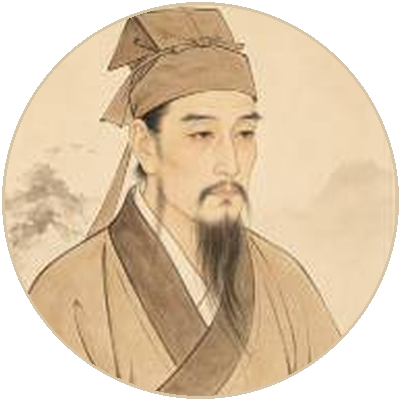
The Reform Architect
商鞅
The events of Shang Yang's life are recorded in the Records of the Historian. Here are the most significant episodes.
Three Audiences with Duke Xiao: Shang Yang's first two presentations on ideal governance bored the duke. Only when he spoke of power and statecraft on the third attempt did Duke Xiao become captivated. Shang Yang knew his methods could build power but not achieve the moral ideal of the ancient sage-kings.
Moving the Pole to Establish Trust: To build public trust in the new laws, Shang Yang erected a pole at the south gate and offered fifty gold to move it to the north gate. When someone did, he paid immediately — demonstrating that the government honored its word.
The Crown Prince Breaks the Law: When the crown prince violated the new law, Shang Yang punished his tutors instead — cutting off one's nose and branding the other's face. This demonstrated that 'the law does not bend for the noble,' and no one in Qin dared break the law again.
Recovery of the Hexi Region (340 BCE): Shang Yang led Qin to a decisive victory over Wei, recovering lost territory and proving the military power produced by his reforms. He was granted the title 'Lord of Shang.'
Hoist with His Own Petard: Fleeing after Duke Xiao's death, Shang Yang found that his own law requiring identity documents for lodging meant no inn would take him in. He sighed: 'How thorough the effects of my own laws!' He was captured and executed — a tragic irony that sparked lasting reflection on rule of law.
治世不一道,便国不法古。
"Governing a state does not require a single method; benefiting a country does not mean following the ancients." — Shang Yang's fundamental argument for reform against the conservatives who insisted on following ancient traditions.
法者,国之权衡也。
"The law is the weighing scale of the state." — Law provides the objective standard by which all actions are measured, impartial and without regard to status.
圣人苟可以强国,不法其故;苟可以利民,不循其礼。
"If a sage can strengthen the state, he need not follow old ways; if he can benefit the people, he need not observe old rites." — A radical statement of pragmatic reform over tradition.
国之所以治者三:一曰法,二曰信,三曰权。
"Three things bring order to a state: first, law; second, trust; third, authority." — Shang Yang's triad of effective governance, combining legal institutions, public credibility, and centralized power.
疑行无成,疑事无功。
"Doubt in action leads to no achievement; doubt in affairs leads to no success." — Shang Yang's counsel to Duke Xiao to proceed with the reforms without hesitation.
Governance by law is the core of Shang Yang's thought. Law must be public, clear, and uniform. All are equal before the law — even the crown prince was punished. Only strict rule of law can establish social order.
Method refers to the techniques by which a ruler controls officials — evaluation, surveillance, and accountability. Officials are held to their stated responsibilities; those who match are rewarded, those who fail are punished.
Power derives from the ruler's office and authority, not personal virtue. Even a mediocre ruler can govern if he holds sufficient power. The key is centralization — the ruler must never share authority with subordinates.
Trust is the foundation of rule of law. The government must keep its word. If orders change constantly, the people will be lost and the law loses authority. Establishing credibility is the prerequisite for implementing rule of law.
商鞅重农抑商,认为农业是国家富强的根本。他推行了一系列鼓励农耕的政策:对努力耕织的人免除徭役,对从事商业的人加重赋税。他认为商人不创造实际财富,只会投机取巧,而农民才是国家粮食和兵源的保障。这一政策虽然在短期内使秦国富强,但也抑制了商品经济的发展。
Shang Yang prioritized agriculture over commerce, viewing farming as the foundation of national strength. Farmers were rewarded and merchants taxed heavily. While this strengthened Qin, it also suppressed commercial development.
A compilation of Shang Yang's writings and those of his successors, originally twenty-nine chapters (twenty-four survive). It systematically presents his theories of rule by law, agricultural policy, military merit, and collective responsibility. Alongside the Han Feizi, it is one of the two great Legalist classics.
Shang Yang's ideas remain strikingly relevant: rule of law and equality before the law, systemic reform over piecemeal change, government credibility as a prerequisite for policy, meritocracy over hereditary privilege, and the eternal tension between reformers and vested interests. His tragedy — destroyed by his own laws — is a timeless parable about the costs of transformation.