兵家谋略

Strategic Canon

华夏五千年兵学精粹,四部传世经典,尽览攻守之道、虚实之变。
Five millennia of Chinese strategic wisdom — four timeless classics on the art of war, deception, and victory.
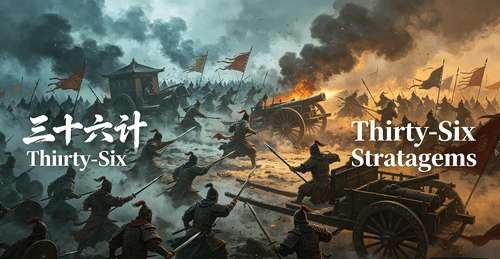
三十六计 Thirty-Six Stratagems
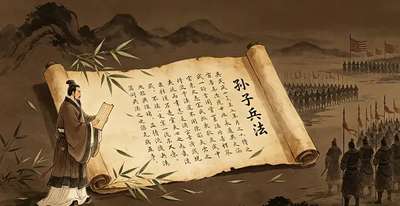
孙武 Sun Tzu 孙武
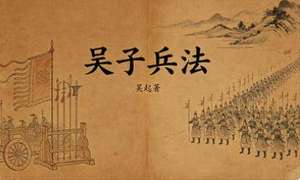
吴起 Wu Qi 吴起
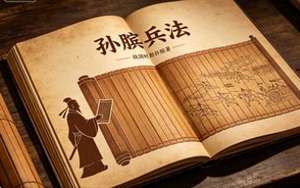
孙膑 Sun Bin 孙膑
Vol. I
三十六计
Thirty-Six Stratagems

三十六计是中国古代兵家谋略的集大成之作,成书于明清之际,集历代兵法之大成。全书共分六套,每套六计,涵盖胜战、敌战、攻战、混战、并战、败战之全态势。

The Thirty-Six Stratagems is a Chinese essay compiled during the Ming and Qing dynasties, distilling centuries of strategic thinking into thirty-six maxims grouped by battlefield situation — from positions of strength to desperate retreats.

第一套 · 胜战计 Stratagems for Winning
STRATAGEM 01
瞒天过海
Cross the Sea by Deceiving the Sky
备周则意怠,常见则不疑。阴在阳之内,不在阳之对。Hide your true intentions behind a façade of normality.
STRATAGEM 02
围魏救赵
Besiege Wei to Rescue Zhao
共敌不如分敌,敌阳不如敌阴。Attack the enemy's weakness to relieve pressure on your allies.
STRATAGEM 03
借刀杀人
Kill with a Borrowed Knife
敌已明,友未定,引友杀敌,不自出力。Use a third party's strength to eliminate your enemy.
STRATAGEM 04
以逸待劳
Wait at Ease for the Exhausted Enemy
困敌之势,不以战;损刚益柔。Conserve your energy while the enemy tires themselves out.
STRATAGEM 05
趁火打劫
Loot a Burning House
敌之害大,就势取利,刚决柔也。Strike when the enemy is in chaos or crisis.
STRATAGEM 06
声东击西
Feint East, Strike West
敌志乱萃,不虞,坤下兑上之象。Create a diversion to mask your real attack.
第二套 · 敌战计 Stratagems for Confrontation
STRATAGEM 07
无中生有
Create Something from Nothing
诳也,非诳也,实其所诳也。Use deception to make the enemy believe in a false reality.
STRATAGEM 08
暗度陈仓
Openly Repair the Walkway, Secretly March to Chencang
示之以动,利其静而有主。Publicly take one path while secretly pursuing another.
STRATAGEM 09
隔岸观火
Watch the Fire from Across the River
阳乖序乱,阴以待逆。Wait for internal conflict to weaken your enemy before acting.
STRATAGEM 10
笑里藏刀
Hide a Knife Behind a Smile
信而安之,阴以图之;备而后动,勿使有变。Appear friendly while secretly preparing to strike.
STRATAGEM 11
李代桃僵
Sacrifice the Plum Tree for the Peach
势必有损,损阴以益阳。Sacrifice something small to gain something greater.
STRATAGEM 12
顺手牵羊
Take the Opportunity to Steal a Sheep
微隙在所必乘,微利在所必得。Exploit every small opportunity that presents itself.
第三套 · 攻战计 Stratagems for Attack
STRATAGEM 13
打草惊蛇
Beat the Grass to Startle the Snake
疑以叩实,察而后动。Probe the enemy to reveal their hidden strength.
STRATAGEM 14
借尸还魂
Borrow a Corpse to Resurrect the Soul
有用者,不可借;不能用者,求借。Revive a discarded idea or force for your own purposes.
STRATAGEM 15
调虎离山
Lure the Tiger Down the Mountain
待天以困之,用人以诱之。Lure the enemy away from their strong position.
STRATAGEM 16
欲擒故纵
Let Go to Catch
逼则反兵,走则减势。Allow the enemy to retreat to weaken their resolve, then strike.
STRATAGEM 17
抛砖引玉
Toss Out a Brick to Attract Jade
类以诱之,击蒙也。Offer something small to lure the enemy into a larger trap.
STRATAGEM 18
擒贼擒王
Capture the Leader to Defeat the Gang
摧其坚,夺其魁,以解其体。Target the enemy's leadership to collapse their entire force.
第四套 · 混战计 Stratagems for Chaos
STRATAGEM 19
釜底抽薪
Remove the Firewood from Under the Cauldron
不敌其力,而消其势。Undermine the enemy's foundation rather than confront their strength.
STRATAGEM 20
混水摸鱼
Muddy the Water to Catch the Fish
乘其阴乱,利其弱而无主。Create confusion to seize opportunities.
STRATAGEM 21
金蝉脱壳
Shed the Cicada's Golden Shell
存其形,完其势;友不疑,敌不动。Leave behind a façade while secretly withdrawing.
STRATAGEM 22
关门捉贼
Shut the Door to Catch the Thief
小敌困之。剥,不利有攸往。Cut off the enemy's escape routes before attacking.
STRATAGEM 23
远交近攻
Befriend a Distant State While Attacking a Neighbor
形禁势格,利从近取,害以远隔。Form alliances with far powers while conquering those nearby.
STRATAGEM 24
假途伐虢
Obtain Safe Passage to Conquer Guo
两大之间,敌胁以从,我假以势。Use a pretext of alliance to infiltrate and conquer.
第五套 · 并战计 Stratagems for Gaining Ground
STRATAGEM 25
偷梁换柱
Replace the Beams with Rotten Timbers
频更其阵,抽其劲旅,待其自败。Undermine the enemy's internal structure through substitution.
STRATAGEM 26
指桑骂槐
Point at the Mulberry Tree While Cursing the Locust
大凌小者,警以诱之。Criticize one to send a warning to another.
STRATAGEM 27
假痴不癫
Feign Madness Without Becoming Insane
宁伪作不知不为,不伪作假知妄为。Pretend to be foolish while secretly being in full control.
STRATAGEM 28
上屋抽梯
Remove the Ladder After the Ascent
假之以便,唆之使前,断其援应。Lure the enemy in, then cut off their retreat.
STRATAGEM 29
树上开花
Decorate the Tree with False Flowers
借局布势,力小势大。Use props and appearances to make your force seem larger.
STRATAGEM 30
反客为主
Turn the Guest into the Host
乘隙插足,扼其主机。Gradually seize control from a subordinate position.
第六套 · 败战计 Stratagems for Defeat
STRATAGEM 31
美人计
The Beauty Trap
兵强者,攻其将;将智者,伐其情。Use beauty and pleasure to undermine the enemy's will.
STRATAGEM 32
空城计
The Empty Fort Strategy
虚者虚之,疑中生疑。Appear vulnerable to make the enemy suspect a trap.
STRATAGEM 33
反间计
The Sowing of Discord
疑中之疑。比之自内,不自失也。Turn the enemy's spies against them.
STRATAGEM 34
苦肉计
Inflict Pain on Yourself to Win the Enemy's Trust
人不自害,受害必真。Harm yourself to gain the enemy's trust and infiltrate.
STRATAGEM 35
连环计
The Chain Stratagems
将多兵众,不可以敌,使其自累。Link multiple stratagems together for a devastating combined effect.
STRATAGEM 36
走为上计
If All Else Fails, Retreat
全师避敌,左次无咎,未失常也。Strategic retreat is the best option when facing certain defeat.
孙武 Sun Tzu

《孙子兵法》为春秋末期孙武所著,全书十三篇,被誉为"兵学圣典"。其思想不仅影响了中国两千多年的军事实践,更被广泛应用于商业、政治和日常生活的策略之中。

Attributed to Sun Tzu (c. 5th century BC), The Art of War is the world's oldest and most influential military treatise. Its thirteen chapters cover strategy, tactics, intelligence, and the philosophy of conflict — applicable far beyond the battlefield.

孙子曰:兵者,国之大事,死生之地,存亡之道,不可不察也。
Sun Tzu said: War is a matter of vital importance to the State; a matter of life and death, a road either to safety or to ruin. Hence it is a subject of inquiry which can on no account be neglected.
故经之以五事,校之以计而索其情:一曰道,二曰天,三曰地,四曰将,五曰法。
The art of war, then, is governed by five constant factors: the Moral Law, Heaven, Earth, the Commander, and Method and Discipline.
兵者,诡道也。故能而示之不能,用而示之不用,近而示之远,远而示之近。
All warfare is based on deception. Hence, when able to attack, we must seem unable; when using our forces, we must seem inactive; when we are near, we must make the enemy believe we are far away.
夫未战而庙算胜者,得算多也;未战而庙算不胜者,得算少也。多算胜,少算不胜,而况于无算乎?
The general who wins a battle makes many calculations in his temple before the battle is fought. The general who loses makes but few calculations beforehand.
其用战也胜,久则钝兵挫锐,攻城则力屈,久暴师则国用不足。
In war, let your great object be victory, not lengthy campaigns. If the campaign is protracted, the resources of the State will not be equal to the strain.
故兵贵胜,不贵久。
Thus, though we have heard of stupid haste in war, cleverness has never been seen associated with long delays. There is no instance of a country having benefited from prolonged warfare.
故知兵之将,民之司命,国家安危之主也。
The skillful soldier does not raise a second levy, neither are his supply-wagons loaded more than twice. War feeds off the State, and the State is impoverished by the army.
孙子曰:凡用兵之法,全国为上,破国次之;全军为上,破军次之。
In the practical art of war, the best thing of all is to take the enemy's country whole and intact; to shatter and destroy it is not so good.
不战而屈人之兵,善之善者也。
To subdue the enemy without fighting is the acme of skill.
故曰:知彼知己者,百战不殆;不知彼而知己,一胜一负;不知彼,不知己,每战必殆。
If you know the enemy and know yourself, you need not fear the result of a hundred battles. If you know yourself but not the enemy, for every victory gained you will also suffer a defeat. If you know neither the enemy nor yourself, you will succumb in every battle.
孙子曰:昔之善战者,先为不可胜,以待敌之可胜。不可胜在己,可胜在敌。
The good fighters of old first put themselves beyond the possibility of defeat, and then waited for an opportunity of defeating the enemy. Securing ourselves against defeat lies in our own hands, but the opportunity of defeating the enemy is provided by the enemy himself.
善守者藏于九地之下,善攻者动于九天之上。
The skillful defender hides under the deepest earth; the skilled attacker strikes from the highest heaven.
胜兵先胜而后求战,败兵先战而后求胜。
Victorious warriors win first and then go to war, while defeated warriors go to war first and then seek to win.
凡战者,以正合,以奇胜。故善出奇者,无穷如天地,不竭如江河。
In battle, there are not more than two methods of attack — the direct and the indirect; yet these two in combination give rise to an endless series of maneuvers. The direct and the indirect lead on to each other in turn, like a moving circle without end.
激水之疾,至于漂石者,势也;鸷鸟之疾,至于毁折者,节也。
The onset of troops is like the rush of a torrent which will even roll stones along in its course. The quality of decision is like the well-timed swoop of a falcon which enables it to strike and destroy its victim.
故善战者,致人而不致于人。
The clever combatant imposes his will on the enemy, but does not allow the enemy's will to be imposed on him.
水之形,避高而趋下;兵之形,避实而击虚。水因地而制流,兵因敌而制胜。
Water shapes its course according to the ground; the soldier works out his victory in relation to the foe whom he is facing. Therefore, just as water retains no constant shape, so in warfare there are no constant conditions.
兵无常势,水无常形,能因敌变化而取胜者,谓之神。
Military tactics are like unto water; for water in its natural course runs away from high places and hastens downward. So in war, avoid what is strong and strike at what is weak. Water shapes its course according to the nature of the ground over which it flows; the soldier works out his victory in relation to the foe whom he is facing.
军争之难者,以迂为直,以患为利。
Maneuvering with an army is advantageous; maneuvering with an army is dangerous. If you set a fully-equipped army in march in order to snatch an advantage, you may be too late. On the other hand, to detach a flying column for the purpose involves the sacrifice of its baggage and stores.
故兵以诈立,以利动,以分合为变者也。
Let your rapidity be that of the wind, and your compactness that of the forest. In raiding, be like fire; in immovability, like a mountain.
故三军可夺气,将军可夺心。是故朝气锐,昼气惰,暮气归。故善用兵者,避其锐气,击其惰归。
Attack the enemy's spirit. In the morning, their spirit is keen; at midday, it flags; in the evening, they think of returning home. Strike when their spirit is flagging.
故将通于九变之利者,知用兵矣。将不通九变之利者,虽知地形,不能得地之利矣。
The general who understands the advantages that follow variation of tactics knows how to handle his troops. The general who does not understand these may be well acquainted with the configuration of the country, yet he will not be able to turn his knowledge to account.
智者之虑,必杂于利害。杂于利而务可信也,杂于害而患可解也。
The wise man considers both good and evil. In the midst of difficulties, he sees opportunity; in the midst of opportunity, he sees difficulties.
绝山依谷,视生处高,战隆无登,此处山之军也。
After crossing a mountain, keep close to the valleys. Camp on heights facing the sun. Do not climb heights to attack. These are the rules for mountain warfare.
令之以文,齐之以武,是谓必取。
Regard your soldiers as your children, and they will follow you into the deepest valleys; look on them as your own beloved sons, and they will stand by you even unto death. If, however, you are indulgent but unable to make your authority felt, kind-hearted but unable to enforce your commands, then your soldiers are no better than spoiled children — useless.
知天知地,胜乃不穷。
He who knows Heaven and Earth, to him victory is complete.
视卒如婴儿,故可以与之赴深溪;视卒如爱子,故可与之俱死。
Regard your soldiers as your children, and they will follow you into the deepest valleys; look upon them as your own beloved sons, and they will stand by you even unto death.
投之亡地然后存,陷之死地然后生。
Place your army in deadly peril, and it will survive; plunge it into desperate situations, and it will be preserved.
始如处女,敌人开户;后如脱兔,敌不及拒。
At first, be as shy as a maiden; when the enemy gives you an opening, be swift as a hare, and he will be unable to withstand you.
主不可以怒而兴师,将不可以愠而致战。合于利而动,不合于利而止。
Move not unless you see an advantage; use not your troops unless there is something to be gained; fight not unless the position is critical. No ruler should put troops into the field merely to gratify his own spleen; no general should fight a battle simply out of pique.
怒可以复喜,愠可以复悦,亡国不可以复存,死者不可以复生。
If it is to your advantage, make a forward move; if not, stay where you are. Anger may in time change to gladness; vexation may be succeeded by content. But a kingdom that has once been destroyed can never come again into being; nor can the dead ever be brought back to life.
故明君贤将,所以动而胜人,成功出于众者,先知也。
What enables the wise sovereign and the good general to strike and conquer, and achieve things beyond the reach of ordinary men, is foreknowledge. This foreknowledge cannot be elicited from spirits; it must be obtained from men who know the enemy's situation.
故三军之事,莫亲于间,赏莫厚于间,事莫密于间。
Of all those in the army close to the commander, none is more intimate than the spies; of all rewards, none more liberal than those given to spies; of all matters, none is more confidential than those relating to spy operations.
吴起 Wu Qi

《吴子兵法》为战国名将吴起所著,全书六篇,与《孙子兵法》并称"孙吴兵法"。吴子强调治军以德、教战以礼,主张内修文德、外治武备,是中国兵学史上以治军思想见长的代表著作。

Attributed to Wu Qi (c. 440–381 BC), a brilliant general of the Warring States period, Wu Zi's Art of War comprises six chapters. Together with Sun Tzu's work, it forms the twin pillars of Chinese military thought. Wu Zi emphasizes moral leadership, disciplined training, and the unity of civil virtue and military preparedness.

I
图国
Planning for the State
昔之图国家者,必先教百姓而亲万民。民和而后可用。
Those who planned for the state in ancient times first educated the people and united them. Only when the people are harmonious can they be employed.
不和于国,不可以出军;不和于军,不可以出阵;不和于阵,不可以进战;不和于战,不可以决胜。
If the state is not united, you cannot deploy the army. If the army is not united, you cannot form battle lines. If the lines are not in harmony, you cannot engage. If the engagement is not coordinated, you cannot achieve victory.
内修文德,外治武备。
Cultivate civil virtue within; prepare military defense without.
是以有道之主,将用其民,先和而造大事。
A ruler of wisdom, before employing his people, first ensures their unity, then undertakes great enterprises.
II
料敌
Assessing the Enemy
凡料敌,有不卜而与之战者八:一曰疾风大寒,早兴寤迁,刻冰济水,不惮艰难;二曰盛夏炎热,晏兴无间,行驱饥渴,务于取远;三曰师既淹久,粮食无有,百姓怨怒,妖祥数起,上不能止;四曰军资既竭,薪刍既寡,天多阴雨,欲掠无所;五曰徒众不多,水地不利,人马疾疫,四邻不至;六曰道远日暮,士众劳惧,倦而未食,解甲而息;七曰将薄吏轻,士卒不固,三军数惊,师徒无助;八曰阵而未定,舍而未毕,行阪涉险,半隐半出。
In assessing the enemy, there are eight situations where you may attack without divination: when they march through bitter cold; when they overextend in summer heat; when their supplies are exhausted and the people complain; when their provisions are depleted and foraging yields nothing; when their numbers are few and terrain unfavorable; when they march far and grow weary at dusk; when their leadership is weak and troops unsettled; when their formation is incomplete and they are half-exposed in difficult terrain.
凡此不如敌人,避之勿疑。所谓见可而进,知难而退也。
In all these situations, if inferior to the enemy, withdraw without hesitation. This is what is meant by advancing when opportunity arises and retreating when difficulties present themselves.
III
治兵
Governing the Army
武侯问曰:"兵何以为胜?"起对曰:"以治为胜。"
Marquis Wu asked: "What ensures military victory?" Wu Qi replied: "Good governance ensures victory."
所谓治者,居则有礼,动则有威,进不可当,退不可追,前却有节,左右应麾,虽绝成陈,虽散成行。
By good governance I mean: in camp, discipline prevails; in action, authority is manifest; advance is irresistible, retreat is uncatchable; movement follows commands; even if cut off, formations hold; even if scattered, ranks reform.
用兵之法,教戒为先。一人学战,教成十人;十人学战,教成百人;百人学战,教成千人;千人学战,教成万人;万人学战,教成三军。
In military matters, training comes first. One man trained in combat teaches ten; ten teach a hundred; a hundred teach a thousand; a thousand teach ten thousand; ten thousand teach the entire army.
IV
论将
On the Commander
夫总文武者,军之将也。兼刚柔者,兵之事也。凡人论将,常观于勇。勇之于将,乃数分之一尔。
A commander who combines both civil and military qualities is a true general. Those who assess commanders often look only at courage, but courage is only one of several essential qualities.
将之所慎者五:一曰理,二曰备,三曰果,四曰戒,五曰约。理者,治众如治寡;备者,出门如见敌;果者,临敌不怀生;戒者,虽克如始战;约者,法令省而不烦。
Five qualities a commander must cultivate: Organization — governing many as few; Preparedness — treating every departure as encountering the enemy; Decisiveness — facing the enemy without thought of survival; Vigilance — treating victory as if battle just began; Brevity — keeping orders simple and clear.
V
应变
Adapting to Change
凡战之法,必先审敌之虚实而乘之。敌之虚实,须察之以形,候之以情,观之以势。
The method of warfare requires first examining the enemy's strengths and weaknesses, then exploiting them. Assess their weakness through observation, gauge their condition through intelligence, and read their momentum through careful watching.
以一击十,莫善于隘;以十击百,莫善于险;以千击万,莫善于阻。
To strike ten with one, use narrow passes; to strike a hundred with ten, use dangerous terrain; to strike ten thousand with a thousand, use difficult obstacles.
故曰:用众者务易,用少者务隘。
Therefore: when commanding a large force, seek open ground; when commanding a small force, seek narrow terrain.
VI
励士
Inspiring the Troops
发号布令而民乐闻,兴师动众而民乐战,交兵接刃而民乐死。此三者,人主之所恃也。
When orders are issued, the people gladly hear them; when the army mobilizes, the people gladly fight; when blades clash, the people gladly die. These three are what a ruler relies upon.
举有功而进飨之,无功而励之。
Reward those who have achieved merit with feasts and honors; inspire those who have not yet achieved to strive harder.
先以法令,后以赏罚。使民知进死之荣,退生之辱。
First establish discipline, then apply rewards and punishments. Let the people know that advancing to death is glorious, and retreating to live is shameful.
孙膑 Sun Bin

《孙膑兵法》为战国时期军事家孙膑所著,1972年于山东临沂银雀山汉墓出土,失传近两千年后重见天日。全书十六篇,继承并发展了孙武的军事思想,在阵法、地形、奇正等方面有独到见解。

Sun Bin's Art of War was written by the Warring States strategist Sun Bin (c. 4th century BC). Lost for nearly two millennia, it was rediscovered in 1972 at the Yinqueshan Han tombs in Shandong. Its sixteen chapters extend Sun Tzu's legacy with original insights on formations, terrain, and the interplay of orthodox and unorthodox tactics.

擒庞涓

Capturing Pang Juan

孙膑以"围魏救赵"之计,减灶诱敌,在马陵道设伏,大败魏军,擒杀庞涓。此篇记载了孙膑与庞涓斗智的经典战例,展现了避实击虚、因势利导的兵法精髓。

Sun Bin's masterpiece: relieving Zhao by attacking Wei's capital, using diminishing campfires to feign desertion, then ambushing Pang Juan at Maling. A classic demonstration of attacking weakness and turning the enemy's momentum against them.

见威王

Audience with King Wei

孙膑初见齐威王,论述战争之道。提出"战胜而强立",强调以战止战,不可废弃武备。又论及战争与政治的关系,主张慎战而非不战。

Sun Bin's audience with King Wei of Qi. He argues that military strength ensures national survival, that war must be used wisely but cannot be abandoned. Victory brings strength and stability.

威王问

King Wei's Questions

齐威王与孙膑论兵,涉及用兵之法、将帅之道、阵法变化等。孙膑提出"必攻不守"的积极进攻思想,以及"料敌计险"的情报分析方法。

King Wei questions Sun Bin on strategy. Key principles: "attack what the enemy cannot defend," and thorough intelligence analysis of enemy strength and terrain before engaging.

陈忌问垒

Chen Ji Asks About Fortifications

论营垒之法,强调阵地选择与防御工事的重要性。孙膑提出因地制宜、灵活布防的思想,将地形与阵法相结合。

On fortification and camp defense. Sun Bin emphasizes adapting defensive positions to terrain, combining natural features with man-made works for optimal protection.

篡卒

Selecting Soldiers

论选兵练卒之法。孙膑提出士兵的素质是战斗力的基础,选兵要"取其精锐",练兵要"教之以法",使士兵知进退、明号令。

On selecting and training elite troops. Sun Bin argues that soldier quality is the foundation of combat power: select the finest, train them rigorously, ensure they understand commands and discipline.

月战

Battle and the Moon

论述天时与作战的关系。孙膑认为应根据天象变化来把握战机,但更强调人的因素——"天时不如地利,地利不如人和"。

On celestial timing and warfare. While acknowledging the importance of favorable conditions, Sun Bin ultimately prioritizes human factors — unity and leadership matter more than stars.

八阵

The Eight Formations

孙膑兵法核心篇章之一,详细论述八种基本阵法及其运用。提出"因地之利,用八阵之法",强调阵法应随地形、敌情灵活变化,不可拘泥于固定模式。

A core chapter detailing eight fundamental battle formations. Sun Bin insists formations must adapt to terrain and enemy disposition — rigidity is defeat.

地葆

Terrain Advantage

专论地形对作战的影响。孙膑将地形分为多种类型,详细分析各类地形的攻防特点,提出"知地之形,可以决胜"。

A dedicated study of terrain types and their tactical implications. Sun Bin classifies landscapes and explains how each affects attack and defense: "Know the land's shape, and you can win."

势备

Preparation and Momentum

论述战前准备与战场势能。孙膑提出"兵之胜在于篡卒",强调充分的准备是胜利的前提。又论势与节的关系,"势如弓弩,节如发机"。

On pre-battle preparation and battlefield momentum. Victory depends on prior readiness. Momentum is like a drawn crossbow; timing is like pulling the trigger.

兵情

The Nature of War

论述战争的本质和用兵的基本原则。孙膑提出"兵者,国之大事",继承孙武思想,进一步阐述战争与国家存亡的关系。

On the fundamental nature of warfare. Building on Sun Tzu, Sun Bin reaffirms that war is the State's gravest concern, inextricably linked to national survival.

行篡

Marching and Seizing

论行军布阵之法,强调机动性与突然性。孙膑提出"出其不意,攻其不备"的战术思想,以及如何在行军中保持战斗力。

On marching and seizing advantage. Emphasizes mobility and surprise — "appear where the enemy does not expect, strike where they are unprepared" — while maintaining combat readiness on the move.

杀士

Sacrifice of Soldiers

论述战争中不可避免的牺牲。孙膑提出将帅应珍惜士兵生命,但在必要时要有决断。"用兵之法,教戒为先",平时训练有素才能减少战时伤亡。

On the inevitable sacrifice of soldiers. A commander must value lives but be resolute when necessary. Thorough training in peacetime minimizes casualties in war.

延气

Sustaining Morale

论鼓舞士气之法。孙膑提出"延气"之道——在长期作战中如何维持军队的战斗意志。方法包括赏罚分明、以身作则、适时休整等。

On sustaining army morale during prolonged campaigns. Methods include clear rewards and punishments, leading by example, and timely rest and recovery.

官一

Unified Command

论军队组织与指挥体制。孙膑强调统一指挥的重要性,提出"将令如山"的指挥原则,以及如何建立高效的指挥体系。

On military organization and command structure. Sun Bin stresses unified command — orders must be absolute — and how to build an efficient chain of command.

强兵

Strengthening the Army

论富国强兵之道。孙膑提出"强兵"必须先"富国",经济实力是军事力量的基础。同时强调制度建设与人才培养。

On strengthening the military through national prosperity. A strong army requires a wealthy state — economic power is the foundation of military power. Institutional building and talent cultivation are equally vital.

十阵

Ten Formations

详细论述十种阵法:方阵、圆阵、疏阵、数阵、锥行阵、雁行阵、钩行阵、玄襄阵、火阵、水阵。每种阵法各有其适用条件和战术目的。

Ten battle formations in detail: square, circle, sparse, dense, wedge, goose, hook, dark array, fire, and water. Each has specific conditions and tactical purposes.